
go beyond traditional talk therapy.
EMDR Therapy in Stuart, Florida.

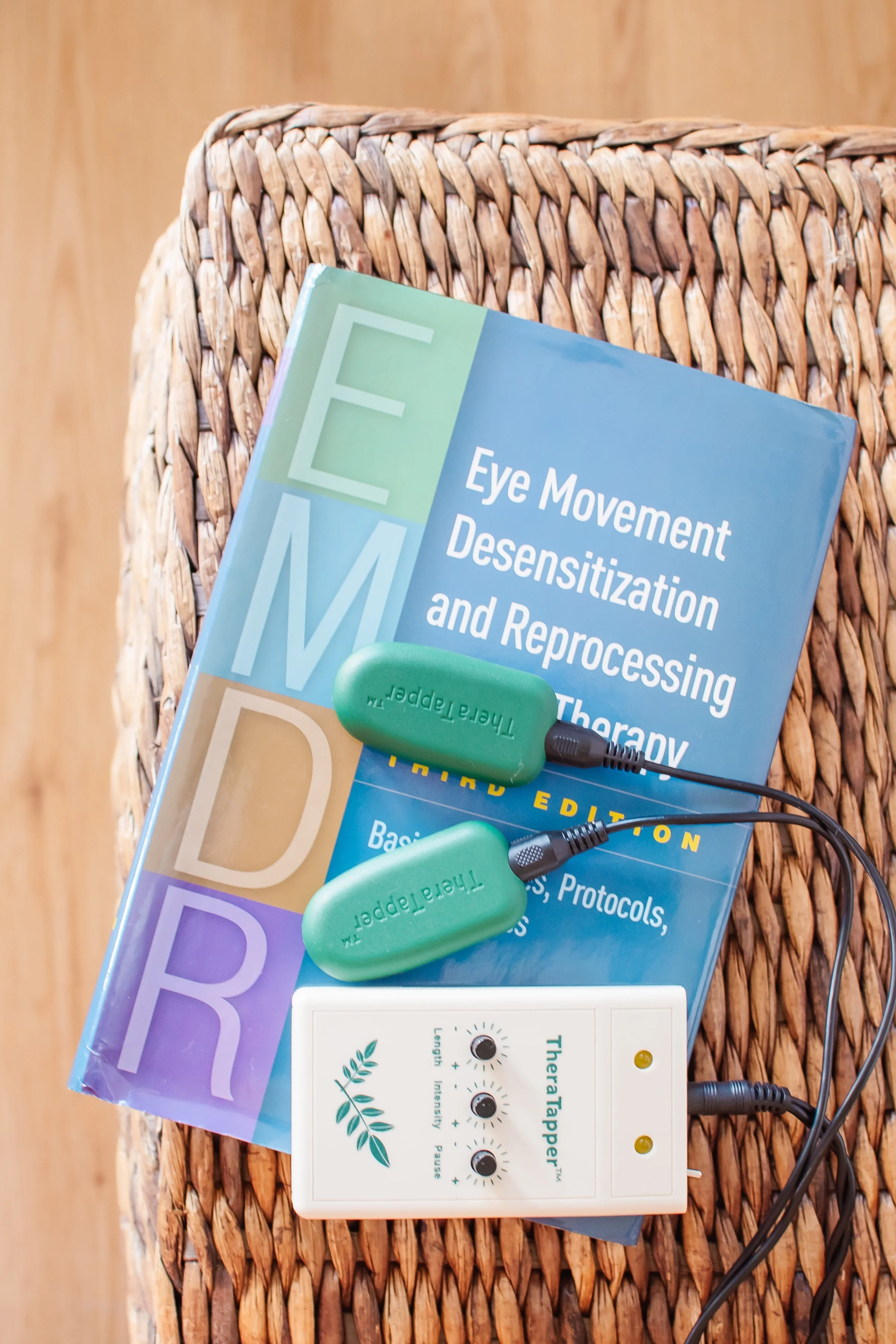
You understand your patterns. You can explain where they came from. You’ve read the books, listened to the podcasts, maybe even tried therapy before.
And yet - certain triggers are still there.
Your body still reacts.
Your nervous system still braces.
That’s often the point where EMDR therapy becomes the missing piece.
EMDR (Eye Movement Desensitization and Reprocessing) is an evidence-based therapy designed to help the brain and body process experiences that feel “stuck.” It works beneath the level of logic - where trauma, anxiety, and emotional patterns are stored.
You Don’t Have to Keep Managing What Can Be Healed
If you’re functioning well on the outside but struggling internally with triggers, anxiety, or unresolved pain, EMDR therapy may help you finally experience the shift you’ve been looking for.
-
EMDR (Eye Movement Desensitization and Reprocessing) is based on a simple but powerful idea: your brain already knows how to heal - sometimes it just gets blocked.
When something overwhelming or distressing happens, your nervous system may not fully process it. Instead of being stored as a completed memory, the experience can become “stuck” in its original emotional intensity. That’s why years later, a tone of voice, a look, or a situation can trigger a reaction that feels immediate and disproportionate.
EMDR helps your brain finish what it couldn’t complete at the time.
-
There are 8 Phases of EMDR Therapy
EMDR therapy follows a structured, eight-phase approach designed to help your brain safely process difficult experiences and reduce the emotional impact they may still carry.
We begin by getting to know your history and identifying the experiences or patterns that may still be affecting you today. Before any deeper work begins, I’ll help you develop grounding and coping skills so you feel supported and prepared for the process.
When we begin EMDR processing, we focus on specific memories while using bilateral stimulation (such as eye movements or tapping). This helps your brain reprocess experiences that may feel “stuck,” allowing the emotional intensity connected to them to gradually decrease.
As the memory becomes less distressing, we strengthen more helpful beliefs about yourself and check for any lingering physical tension connected to the experience. Each session ends with time to ensure you feel calm and grounded.
Over time, EMDR helps your brain naturally integrate these experiences so they no longer hold the same emotional weight in the present.
-
When EMDR is effective, triggers lose their charge. Emotional reactions feel more proportional. The past feels like the past.
For many high-functioning adults, EMDR helps the nervous system finally align with what the mind already knows - creating relief that insight alone couldn’t provide.
EMDR helps align your nervous system with the life you’ve already built.
You can perform, achieve, and lead, without fear driving you.
You can connect, without bracing for disappointment.
You can rest, without guilt.

Is EMDR right for you?
EMDR is helpful for…
Trauma (big or small- single events or ongoing experiences)
Childhood emotional neglect or feeling unseen growing up
Narcissistic, critical or emotionally unavailable parenting
Medical trauma, infertility or pregnancy loss
Relationship wounds, attachment injuries or betrayal
Persistent anxiety that doesn’t respond to talk therapy
Performance pressure, burnout and chronic stress

EMDR may also help if you..
Feel “stuck” in patterns you can’t think your way out of
Overreact emotionally and don’t fully understand why
Carry shame, guilt, or a harsh inner critic
Struggle with people-pleasing or boundaries
Experience intrusive memories, flashbacks, or rumination
Feel disconnected from yourself or others
Have low self-worth despite “knowing better” logically